

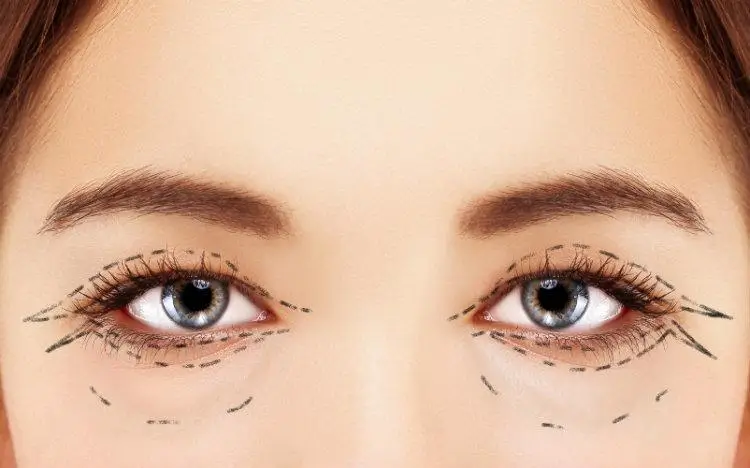
Eyelid surgery (also called blepharoplasty) can make your eyes look more open, less tired, and more refreshed, without changing who you are.
People choose it for many reasons: hooded eyes surgery to reduce heavy upper lids, under-eye bags removal to soften puffiness, or drooping eyelid correction when the lid blocks vision or makes one eye look smaller.
Eyelid surgery removes or reshapes excess skin and fat around the eyes. Upper eyelid work targets droopy, heavy lids. Lower eyelid work targets under-eye bags, loose skin, and shadows. Some techniques also reposition fat instead of removing it, which can look smoother and more natural.
What is Eyelid Surgery (Blepharoplasty)?
Eyelid surgery focuses on the thin skin and delicate support structures around your eyes. Over time, your eyelids can stretch, and fat can shift forward. That’s when you start seeing:
- Upper lid hooding (skin folds that sit over the crease)
- A “heavy” or “sleepy” look
- Makeup smudging because skin touches skin
- Under-eye bags (puffy pockets)
- Crepey lower lid skin and fine wrinkles
- A deeper tear trough shadow that makes you look tired
Upper eyelid lift (upper blepharoplasty) removes extra skin and may remove or reshape small fat pockets. It can also define or restore the upper eyelid crease when hooding hides it.
Lower blepharoplasty treats bags and loose lower lid skin. In many cases, surgeons now prefer fat repositioning under eyes rather than simply removing fat. Repositioning can smooth the transition from lower lid to cheek, which helps reduce the “hollow + bag” combo.
One important distinction: eyelid surgery isn’t the same as a true ptosis repair. If your eyelid margin (the lash line) droops because the lifting muscle weakens, you may need drooping eyelid correction (ptosis surgery) instead of—or in addition to—blepharoplasty. A good consultation sorts this out fast.
If you’re exploring options, check out our eyelid surgery (Blepharoplasty) service page.
Types of Eyelid Surgery
Not all blepharoplasty looks the same. The best technique depends on your anatomy, your skin quality, and what you want to change.
Upper Eyelid Surgery (Hooded Eyes Surgery)
This option works best when excess skin hangs over the crease, makes lids look smaller, or creates a heavy feel.
Your surgeon designs an incision in the natural crease so it hides well once healed. They remove extra skin and refine fat when needed.
Best for: hooded eyes, heavy lids, uneven lid folds, makeup smudging
Not ideal for: eyebrow-driven heaviness (that may need a brow lift)
Lower Eyelid Surgery (Under-eye Bags Removal)
Lower eyelid surgery can remove or reposition fat and tighten skin. Many patients want a smoother under-eye, not a tight “pulled” look. That’s why technique matters.
Best for: under-eye bags, loose lower lid skin, shadowing
Not ideal for: pigment (dark circles from skin color) without puffiness
Transconjunctival Blepharoplasty
This technique places the incision inside the lower lid, so you won’t see an external cut. Surgeons often use it when you have under-eye bags but good skin tightness.
They can remove or reposition fat through the inner incision.
Best for: younger or good-skin patients with puffiness
Limit: it won’t remove much extra skin (some patients add laser resurfacing)
Double Eyelid Surgery/Asian Blepharoplasty
Double eyelid surgery creates or refines an upper eyelid crease. Asian blepharoplasty aims for a natural crease that fits the patient’s features and preferences.
Surgeons can use an incisional technique (more structural change) or a suture method (less cutting, but not right for everyone).
Best for: patients who want a visible crease or more lid show
Key point: “Natural” varies from person to person, bring reference photos
Laser Eyelid Surgery
Some clinics market “laser eyelid surgery.” In many cases, the laser replaces the scalpel for the incision, but the core steps stay similar. Lasers can reduce bleeding in some hands, but results still depend on surgical planning, tissue handling, and aftercare.
If you want the most natural plan, ask your surgeon what they recommend for your exact anatomy rather than chasing a tool name.
Am I a Good Candidate for Eyelid Surgery?
Most healthy adults can qualify, but the best candidates share a few traits:
- You have real, visible concerns (hooding, bags, droop, asymmetry)
- Your eyes feel heavy, or your lids affect your vision
- You hold a stable weight
- You don’t smoke or you can stop nicotine before and after surgery
- You understand the goal: refreshed, not “different”
During your consultation, your surgeon should check:
- Lid skin amount and elasticity
- Fat pocket position (true bag vs hollowing)
- Brow position (a low brow can mimic hooded lids)
- Eye dryness and tear film issues
- Any history of thyroid eye disease, glaucoma, or prior eyelid surgery
If you deal with chronic dry eye, you can still qualify, but your surgeon should plan carefully. Sometimes they choose a more conservative approach to avoid worsening dryness.
If your eyelid droop blocks vision, you may qualify for a functional (medical) blepharoplasty pathway. That changes how documentation works for eyelid surgery insurance coverage.
For California patients, a local consult matters because follow-ups are part of safe healing. If you’re in Southern California, aim for a clinic like BGMG Cosmetics where you can return easily for checks during week 1 and week 2.
Lower Blepharoplasty Cost
Costs vary a lot based on geography, surgeon experience, facility setting, and whether you combine procedures. A clean way to think about price is: procedure fee + anesthesia + facility + aftercare.
Here’s a practical cost overview you can use when budgeting:
| Procedure | Typical cost drivers | Notes |
| Upper blepharoplasty | Skin removal complexity, anesthesia type | Often lower cost than combined work |
| Lower blepharoplasty | Fat repositioning vs removal, skin tightening | Fat repositioning can raise complexity |
| Upper + lower together | Longer OR time, more aftercare | One recovery window |
| Asian blepharoplasty | Technique (incision vs suture), symmetry work | Planning time matters a lot |
| Ptosis repair + blepharoplasty | Muscle repair complexity | Often medically motivated |
Bundling can reduce total fees because you pay facility and anesthesia once. But don’t choose combined surgery only to save money. Choose it when it makes medical sense.
If you’re building a budget and want payment flexibility, check our financing options page so you can compare monthly plans versus paying cash.
Eyelid Surgery Recovery Timeline
Most people feel surprised by two things: swelling happens fast, and healing happens in waves. You’ll look “better” quickly, but fine details settle over weeks.
Typical Recovery Timeline
| Time | What you may notice | What helps |
|---|---|---|
| Days 1–3 | Swelling peaks, bruising starts | Cold compresses (if allowed), rest, head elevation |
| Days 4–7 | Bruising shifts colors, swelling slowly drops | Short walks, light activity, avoid bending |
| Week 1–2 | Stitches often removed (if present), eyes feel less tight | Gentle cleansing, avoid heavy workouts |
| Weeks 3–6 | Most visible swelling fades | Sun protection, patience |
| 2–3 months | Refinement phase | Photos help you see progress |
| 3–6 months | Final details settle | Scars fade, shape looks natural |
Your surgeon will give your exact plan, but these rules help almost everyone:
- Sleep with your head elevated for the first week
- Avoid heavy lifting early
- Don’t rub your eyes
- Use eye drops if your surgeon recommends them
- Wear sunglasses outside (sun can darken scars)
If you’ve asked “When can I travel after eyelid surgery?”, most surgeons prefer you stay local at least through early follow-up. If you must travel, wait until swelling stabilizes and your surgeon clears you.
Eyelid Surgery Before and After
Great eyelid surgery looks subtle. Friends might say you look rested, not “done.”
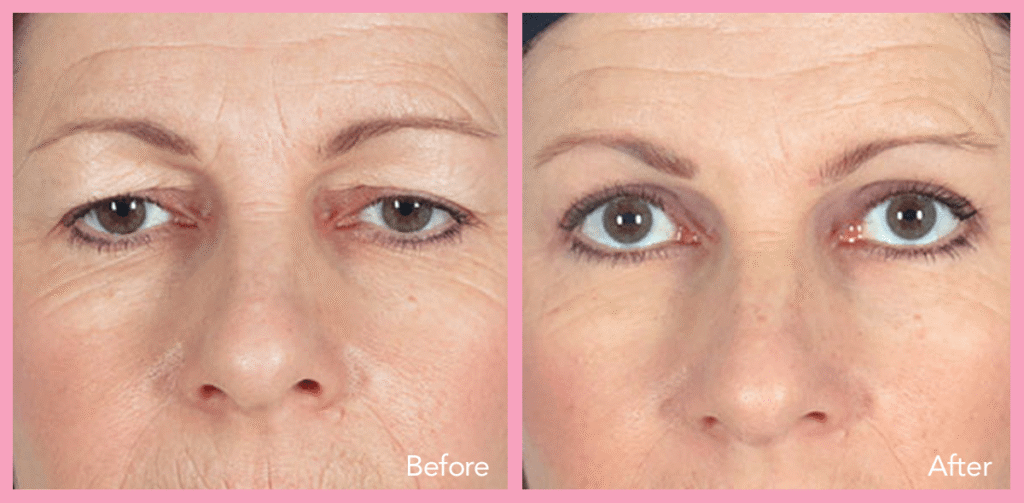
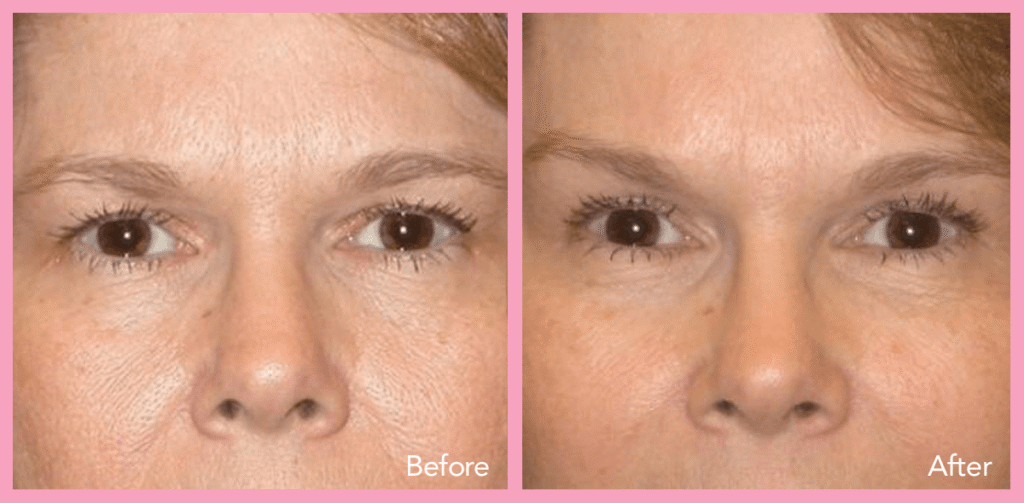
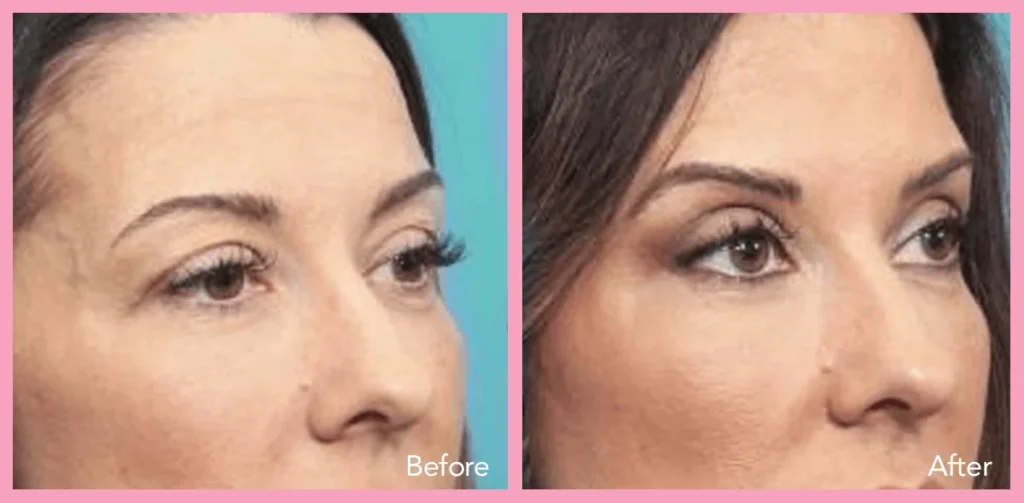
Here’s what you can realistically expect:
Results You Can Expect
- Eyes look more open and less heavy
- Upper lid crease appears cleaner
- Under-eye puffiness reduces
- Makeup applies more easily
- Facial balance improves (especially when lids looked uneven)
Results You Should NOT Expect
- Surgery won’t erase every fine line around the eyes
- It won’t remove pigment-based dark circles by itself
- It won’t lift a low brow (that’s a different procedure)
- It won’t stop aging, your tissues will keep changing
A smart plan often combines blepharoplasty with:
- Brow lift if the brow sits low
- Laser resurfacing for fine lines and crepey skin
- Chemical peels for texture and pigmentation
- Fat repositioning for a smooth under-eye to cheek transition
Risks, Safety, and Choosing the Right Surgeon in California
Eyelid surgery is common, but it requires precision. Your eyes are delicate, and small changes show.
Common Risks (Most Are Temporary)
- Swelling and bruising
- Dryness, irritation, watery eyes
- Temporary asymmetry during healing
- Visible scar early (usually fades well)
Less Common but Serious Risks
- Infection or bleeding
- Lid pulling or rounding (especially lower lid)
- Vision issues (rare, but urgent if it happens)
- Long-term dry eye worsening in prone patients
You reduce risk by choosing the right surgeon and by following instructions exactly.
Eyelid Surgery Insurance Coverage
Most eyelid surgery is cosmetic, so insurance often won’t cover it. But insurance may cover a portion when the procedure is medically necessary, such as when upper lid droop blocks your vision.
Clinics that handle functional cases usually require:
- A visual field test
- Photos showing lid position
- Documentation of symptoms (headaches from brow strain, trouble reading, limited peripheral vision)
If you think you qualify, ask your surgeon directly: “Do I meet medical necessity for blepharoplasty?” A good clinic will explain the process clearly.
Final Thoughts
Eyelid surgery can deliver one of the highest “refreshed per day of downtime” improvements in cosmetic surgery, when you match the right technique to your anatomy.
Upper blepharoplasty works best for hooding.
Lower blepharoplasty works best for bags and under-eye contour issues.
Book Your Eyelid Surgery Today!